
Calmer days start with you, then grow with your child
Parenting through big feelings is hard. Begin with support for yourself (self-help tools and sessions with qualified therapists) then help your child practise naming feelings, repairing mistakes and finding a safe adult.
Step 1 · For you
Parents & carers →Step 2 · For your child · Ages
8–11 →12–16 →
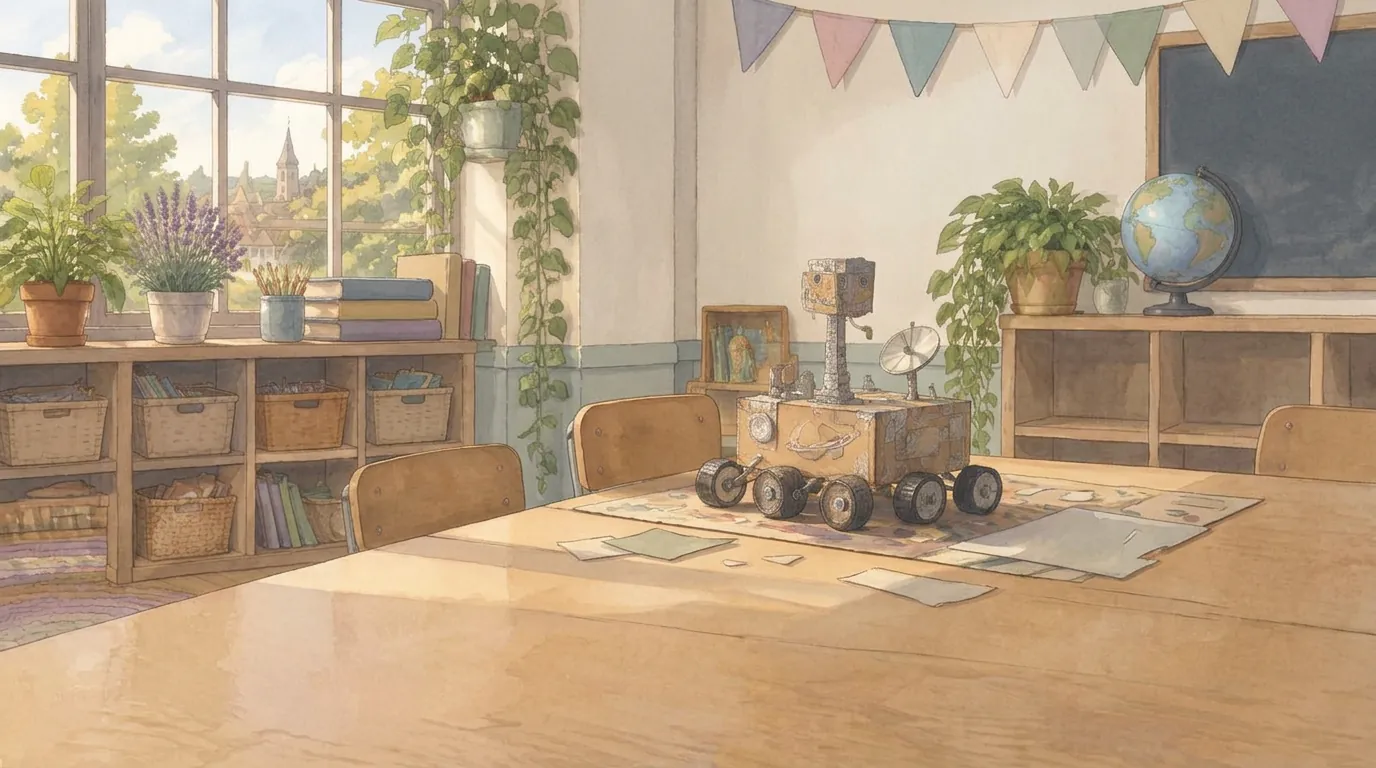
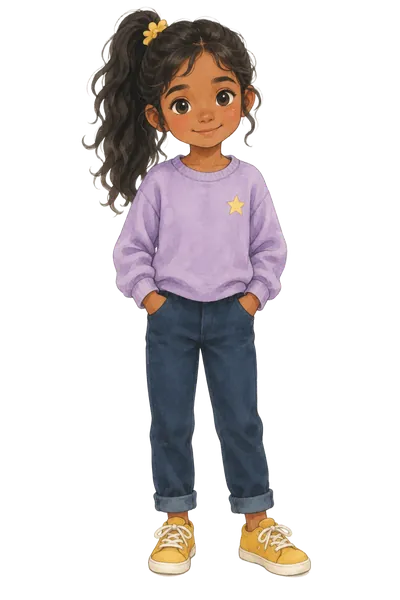
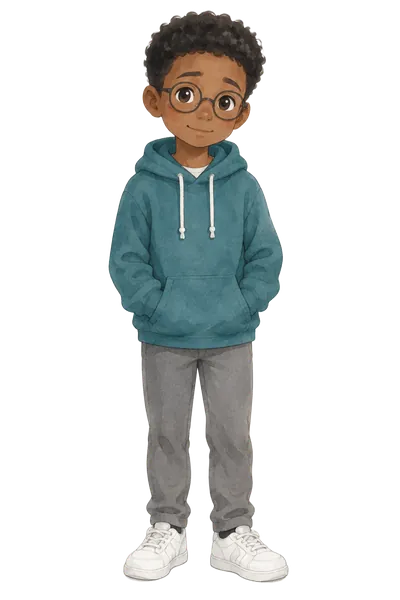
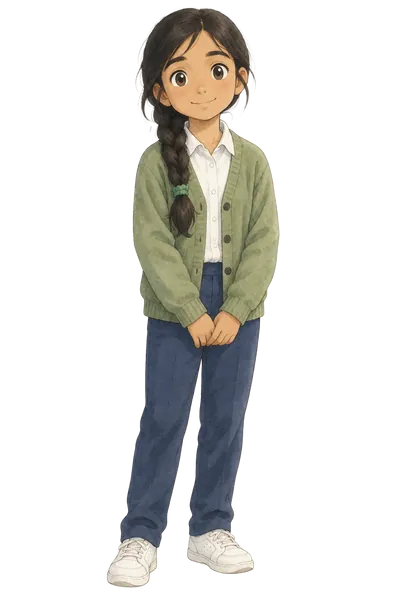
Choose your path

MySafeTherapy Kids · 8–11
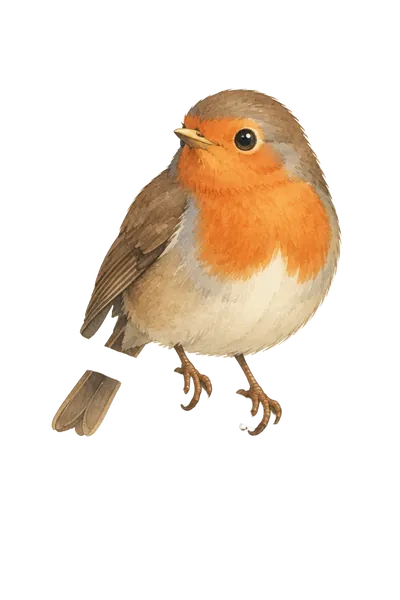
Painted stories with Pip
Choose-your-path stories, gentle breathing pauses and pocket phrase cards to collect. Parents set up each child's own space.
Go to Kids →

MySafeTherapy Teens · 12–16
Real situations, your choices
Branching stories about friendships, family change, pressure and anxiety, plus challenges and badges. Teens can sign up themselves, or a parent can add them.
Go to Teens →
What they practise
Six everyday skills run through every story and challenge.
Naming feelings
Noticing what's happening in the body and finding words for it.
Mistakes & repair
A mistake doesn't make you a bad person, and things can be put right.
Friendships
Joining in, being left out, disagreements and making up.
Boundaries
Saying no, hearing no, and knowing your body belongs to you.
Finding a safe adult
Recognising when something is too big to hold alone, and who to tell.
Knowing your needs
Understanding what helps you feel calm, safe and heard.
How it works
- 1
Create an account
A parent or carer signs up in a minute. Teens aged 12–16 can sign up on their own.
- 2
Add your child
Use a nickname only. Each child gets a space with just the content for their age.
- 3
Play and see progress
Children play at their own pace. You see what they've finished, never what they write privately.
Guide, don't lecture
- Progress dashboard: see stories finished, cards collected and badges earned.
- Conversation starters: gentle questions to ask after each story.
- Grown-up Companion: optional side notes that explain what each moment is teaching.
Safe by design
Sensory-friendly
Soft colours, no autoplay, no timers. Everything goes at the child's pace.
No ads, no chat
No messaging between users and no AI chatbots. Every story is written by people.
Private writing stays private
Anything typed stays on the screen and is never saved or sent.
Learning, not therapy
We never diagnose. The Get Help button lists UK support such as Childline 0800 1111.
Looking after you matters, too
Holding a child's big feelings is hard work, and it's normal to feel stretched. Reaching for support isn't failing, it helps the whole family. Choose the kind of help that fits you right now.
Option 1
MySafeTherapy self-help tools
Things you can use in your own time, whenever you need them.
Calm-down moments
Short breathing and grounding exercises for when a hard moment is building.
Words for tricky talks
Gentle phrases for meltdowns, screen limits and making up after raised voices.
Self-compassion practices
Small, kind check-ins for the days you feel you're getting it wrong.
Guides from our blog
Longer, researched articles on children's feelings, parenting and family life.
Option 2
Book a session with a therapist
When self-help isn't quite enough, talk with a qualified, UK-registered therapist, online, at a time that suits you.
Parent consultation
Talk through what's happening at home with a child and family specialist.
Support for you
One-to-one sessions focused on your own stress, low mood or overwhelm.
Family sessions
Guided conversations to rebuild calm and connection together.
- 1.Tell us a little about what's going on
- 2.We match you with a therapist
- 3.Choose a time that works
If you need help right now
Our tools and sessions aren't an emergency service. If you or someone else is in danger, call 999.
- Samaritans: 116 123, any time, day or night
- Family Lives: 0808 800 2222
- YoungMinds Parents Helpline: 0808 802 5544
- Shout: text SHOUT to 85258
From the parent blog
Read the blog →
Family relationships · 8 min
Living between two houses: practical ways to help children settle
How to help children feel at home in two places after separation, with ideas for handovers, routines, belongings and staying connected.

Family relationships · 8 min
Telling your children you are separating: what to say and what to hold back
A practical guide for parents planning the conversation about separation, with age-based scripts, timing tips and UK support.

Mental health · 7 min
Signs of anxiety in children, and how to help
How to tell everyday worry from anxiety that needs support, with practical steps for home and clear guidance on when to see a GP.
Start free. Upgrade for the full library for your family, or talk to us about schools.
See pricingLittle stories. Skills for real life.
Pick the path that fits your child today.