
Signs of anxiety in children, and how to help
7 min read
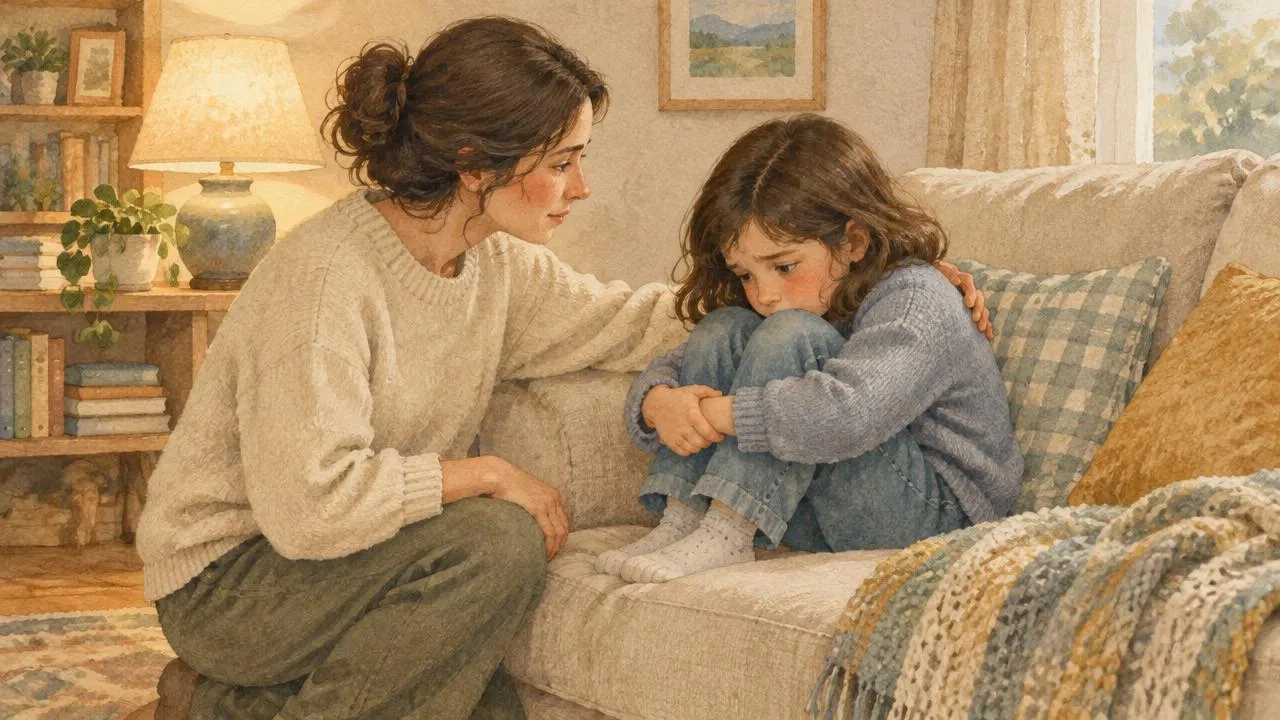
Every child worries. Starting a new class, a test, the dark, a friendship that feels wobbly. Worry is part of growing up, and in small doses it helps children prepare. The question most parents are really asking is: when does it stop being normal?
How common is anxiety in children?
Mental health difficulties in children are more common than many parents realise. The latest official survey for England found that in 2023, 20.3% of 8 to 16 year olds had a probable mental disorder, roughly 1 in 5 (NHS England Digital, 2023). Rates rose between 2017 and 2020 and have stayed at that higher level since. Anxiety is one of the most common of these difficulties.
So if you are worried about your child, you are far from alone, and noticing early really does help.
Everyday worry or something more?
The NHS describes anxiety as a problem when it is very strong or getting worse and does not go away, or when it gets in the way of daily life and stops a child doing things they enjoy (NHS, Anxiety in children).
A useful test is to ask yourself three things:
- How long has this been going on? A few days around a known event is different from several weeks.
- How big is the reaction compared with the situation?
- Is it shrinking your child's world? Missing parties, clubs or school because of worry is a signal to act.
The signs to look out for
Younger children often cannot name anxiety. It shows up in their bodies and behaviour instead. The NHS lists these signs (NHS, Anxiety disorders in children):
- finding it hard to concentrate
- not sleeping, or waking in the night with bad dreams
- eating more or less than usual
- quickly getting angry or irritable, and being out of control during outbursts
- constantly worrying or having negative thoughts
- feeling tense and fidgety, or using the toilet often
- crying a lot, or being clingy
- complaining of tummy aches and feeling unwell
That point about anger matters. Many parents search for help with anger and only later realise anxiety sits underneath it. A child who explodes before school may be frightened, not defiant.
Separation anxiety is more common in younger children, while older children and teenagers tend to worry more about school or social situations (NHS).
What helps at home
Name it together. Children cope better with a feeling they can describe. Try "It looks like your tummy is doing the worried thing again." Naming a feeling does not make it bigger. It gives your child a handle on it.
Listen before fixing. YoungMinds, drawing on the experience of parents, suggests picking a relaxed moment and waiting until your child has calmed down, because a distressed child cannot think clearly and is more likely to shut down (YoungMinds).
Talk side by side. Car journeys, walks and cooking together often work better than sitting face to face. Less eye contact takes the pressure off (YoungMinds).
Avoid avoiding. It is natural to protect a worried child from the thing they fear. In the short term it brings relief. Over time, avoidance tends to make anxiety grow, because the child never gets to learn that they can cope. Small, planned steps towards the hard thing work better than either forcing or removing it.
Teach the body to settle. Slow breathing, with a longer out-breath than in-breath, is simple and portable. Practise it when calm, so it is ready when needed.
Look after your own worry. Children read our faces. Oxford Health's guidance for parents notes that anxiety tends to run in families (Oxford Health NHS FT). That is not a cause for guilt. It simply means your own calm is part of the help.
When to get professional help
The NHS advises seeking help if your child is constantly anxious and it is not getting better or is getting worse, self-help is not working, or it is affecting school, family life or friendships. A GP appointment is a good place to start, and your child may be able to be seen with or without you (NHS).
You can also call the YoungMinds Parents Helpline on 0808 802 5544 for advice on next steps.
How MySafeTherapy fits in
MySafeTherapy is not therapy and does not diagnose. Our stories give children aged 8 to 16 a calm, low-pressure way to practise naming feelings, noticing body signals and finding a safe adult. Many parents use them as a way into conversations that are hard to start cold.
How MySafeTherapy can help
Children with worries often benefit from practising calming skills little and often. On MySafeTherapy Kids, 8–11 year olds learn body check-ins and breathing pauses inside calm, sensory-friendly stories. Teenagers can build a personal Stress plan. These are everyday skills, and they work best alongside the support your GP or school can arrange if anxiety is getting in the way of life.
You can try MySafeTherapy grow free.
If you or your child would like more support, MySafeTherapy also offers therapy for families. You can talk with a qualified, UK-registered therapist online, whether that is a parent consultation about what is happening at home, one-to-one support for your own stress or low mood, or family sessions. Find a therapist at MySafeTherapy.
Your own mental health matters too
Looking after a child who is struggling can affect your own wellbeing. If you have been feeling low, anxious or overwhelmed for more than a couple of weeks, talking therapy can help. In England you can refer yourself to NHS Talking Therapies without seeing a GP, or speak to your GP anywhere in the UK. The YoungMinds Parents Helpline (0808 802 5544) offers free advice to parents worried about their child.
Sources
This article is general information, not medical advice. If you're worried about your child or yourself, speak to your GP, or call NHS 111. In an emergency call 999.