
School refusal and EBSA: a guide for UK parents
8 min read
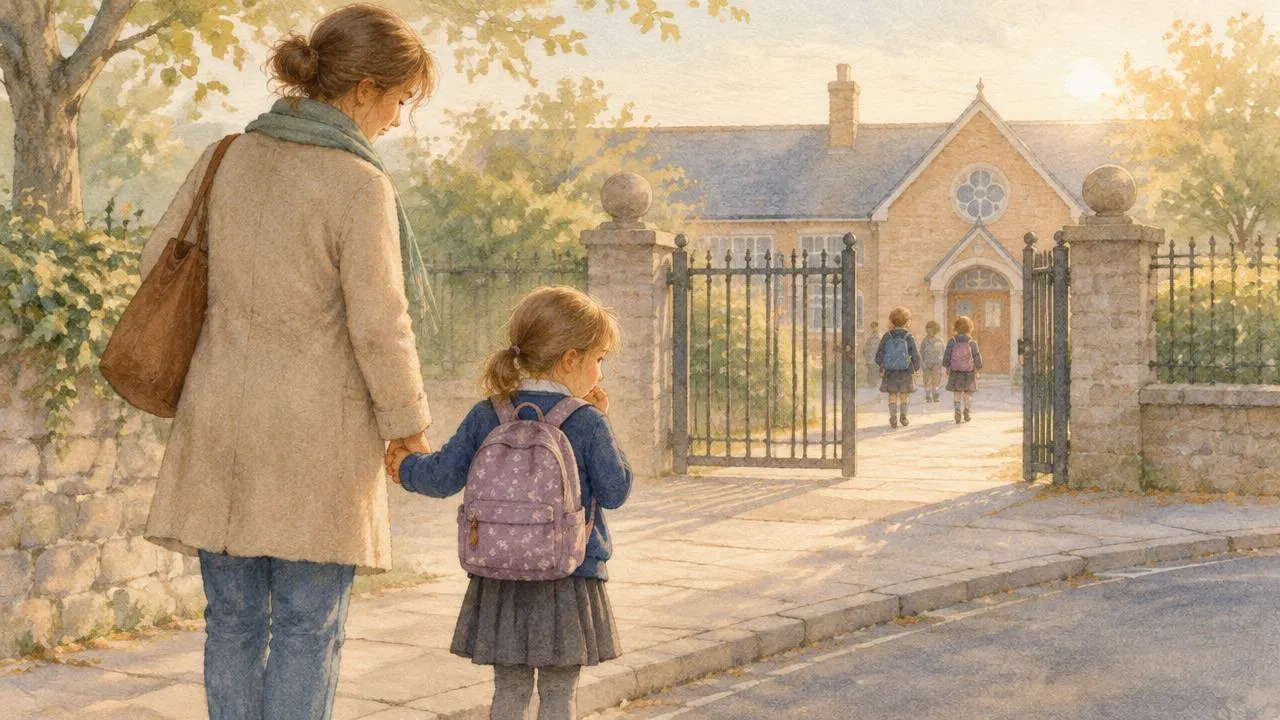
Few mornings are harder than the ones where your child cannot get out of the door. Tears, stomach aches, a locked bathroom. If this is happening in your house, you are part of a large and growing group of UK families.
What is EBSA?
Emotionally based school avoidance (EBSA) is the term most UK councils and educational psychologists now use instead of "school refusal". It describes children and young people who have severe difficulty attending school because of emotional factors, often leading to long absences (Lancashire Educational Psychology Service, quoting West Sussex EPS, 2014).
The shift in language matters. "Refusal" suggests a choice. For most children it does not feel like a choice at all. It feels like fear.
How common is it?
Persistent absence, missing more than 10% of school, has risen sharply. The Children's Commissioner found 22.3% of pupils were persistently absent in 2022/23, more than double the 10.9% seen in 2018/19 (Anna Freud). For 2023/24 the figure was 20.7% (Educational Psychology in Practice, 2025).
Not all of that absence is emotional. Before the pandemic, an estimated 1 to 2% of school-aged children were absent because of EBSA, and researchers expect that figure to be significantly higher now (Educational Psychology in Practice, 2025). Clinicians writing in BMJ Mental Health describe a "perfect storm" since COVID-19, where risk factors in school, family and the child have grown while access to support has shrunk (Lester and Michelson, 2024).
Why does it happen?
There is rarely one cause. Common threads include:
- anxiety, including social anxiety or worry about performance
- friendship problems or bullying
- unmet special educational needs, including autism and ADHD
- sensory overload in busy, noisy buildings
- changes at home, illness or bereavement
- a hard transition, such as the move from Year 6 to Year 7
Lancashire's toolkit encourages schools and families to explore the function of the avoidance: what the child is moving away from, and what, if anything, is drawing them to stay home (Lancashire EPS).
What parents can do
Act early. BMJ Mental Health stresses early intervention before a pattern of absence becomes entrenched (Lester and Michelson, 2024). A few missed days is the time to talk to school, not after a term.
Validate the feeling, keep the expectation. "I can see this feels really scary, and we're going to work out a way to make it manageable" holds both truths at once.
Work with the school, not against it. Ask for a meeting with the SENCo or pastoral lead. Bring notes on what mornings look like and what your child says. Many council guides, such as Milton Keynes' guidance for parents, set out what schools can do, such as a key adult, a safe space, a softer start or a reduced timetable (Milton Keynes Council, 2025).
Use small steps. A return plan might start with driving past school, then a short visit after hours, then one lesson with a trusted adult. Each step should feel a little stretching, not overwhelming.
Keep home days dull. If your child is home, keep it like a school day without screens and treats. This is not punishment. It simply avoids making home the more rewarding option.
Look after yourself. Parents of children with EBSA often feel judged from every side. Anna Freud offers a video of parents describing their experience, which many find reassuring (Anna Freud).
What about fines?
Many parents search for this, and it is a real fear. Attendance law applies to all children. However, council EBSA guidance generally expects schools to identify and support emotional causes first. If your child's absence is linked to anxiety or SEND, keep records, share medical evidence and ask the school to record the support plan. Your local SEND Information and Advice Service (SENDIASS) can give free, impartial advice.
When to seek more help
Speak to your GP if your child is showing ongoing signs of anxiety or low mood, or if the situation is not improving with school support. If your child talks about hurting themselves, seek help urgently, call 111, or 999 in an emergency.
How MySafeTherapy can help
When school feels too much, it can help a young person to plan small, manageable steps. The Can't face school activity explores those feelings without judgement, and Stress plan helps 14–16 year olds put together their own coping plan. The Grown-Up Guide has ideas for calm morning conversations.
You can try MySafeTherapy grow free.
If you or your child would like more support, MySafeTherapy also offers therapy for families. You can talk with a qualified, UK-registered therapist online, whether that is a parent consultation about what is happening at home, one-to-one support for your own stress or low mood, or family sessions. Find a therapist at MySafeTherapy.
Your own mental health matters too
Looking after a child who is struggling can affect your own wellbeing. If you have been feeling low, anxious or overwhelmed for more than a couple of weeks, talking therapy can help. In England you can refer yourself to NHS Talking Therapies without seeing a GP, or speak to your GP anywhere in the UK. The YoungMinds Parents Helpline (0808 802 5544) offers free advice to parents worried about their child.
Sources
- Lancashire Educational Psychology Service: EBSA strategy and toolkit
- Anna Freud: School attendance and mental wellbeing
- An analysis of UK local authority EBSA guidance, Educational Psychology in Practice, 2025
- Lester and Michelson, Perfect storm, BMJ Mental Health, 2024
- Milton Keynes Council: EBSA guidance for parents and carers, 2025
This article is general information, not medical advice. If you're worried about your child or yourself, speak to your GP, or call NHS 111. In an emergency call 999.