
When friendships shift in upper primary
10 min read
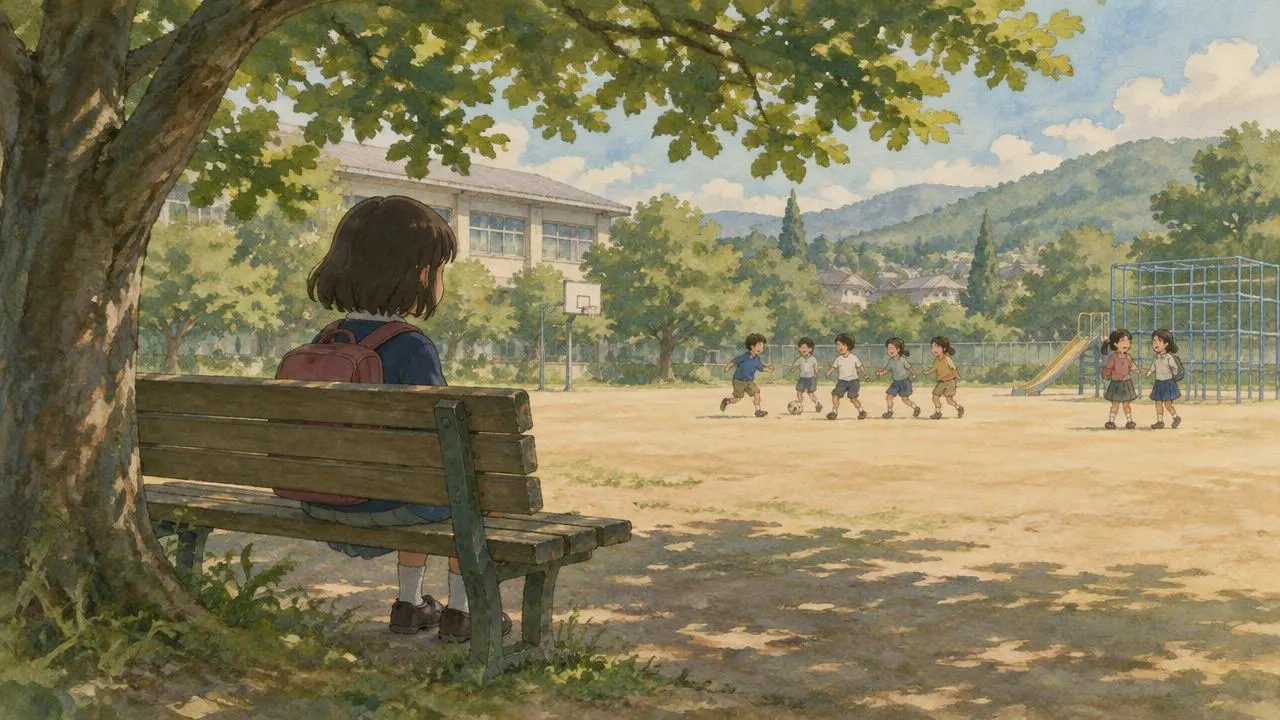
"She's not my friend anymore." "Nobody wanted to play with me." "They've made a group chat and I'm not in it." If you have a child in upper primary or early secondary school, you may have heard words like these, often at bedtime, or in the car, or blurted out after a slammed door. Friendship changes can hurt children deeply, and it can hurt us to watch.
This article looks at why friendships shift so much between roughly 8 and 14, what children may be feeling, and how parents and carers can support them without taking over. It also covers when a friendship difficulty might be something more serious, such as bullying, and what to do then.
Why friendships change so much at this age
In the early primary years, friendships are often based on proximity and shared play: who sits nearby, who likes the same game. From around eight or nine, friendships become more about shared identity, loyalty and belonging. Children start to care much more about how they are seen by peers, and about which group they belong to.
This is a normal and healthy part of development. Psychologists describe middle childhood and early adolescence as a period when the peer group becomes increasingly important, as children gradually build an identity that is separate from their family. It is also a time of rapid change: different interests, different rates of physical and emotional maturity, moves between classes or schools, and, for many, the arrival of phones and group chats.
The result is that friendships at this age can be intense, and also fragile. Groups form, split and reform. A best friend one term can drift away the next. None of this necessarily means anything is wrong with your child, or with the other children. But it can still feel enormous.
What your child may be feeling
When a friendship shifts, children may feel a mixture of things, sometimes all at once:
- Sadness and loss, similar in some ways to grief.
- Rejection, and a painful question: "What's wrong with me?"
- Embarrassment, especially if others noticed.
- Anger or jealousy towards the friend or the new group.
- Anxiety about school, lunchtimes, or being alone.
- Confusion, if they don't understand what happened.
Some children talk about these feelings openly. Others show them in different ways: stomach aches before school, irritability, being clingy, not wanting to go to clubs, or spending more time alone in their room. Research on social pain suggests that being left out can register in the brain in ways that overlap with physical pain. When your child says "it hurts", they may mean that quite literally.
Listening first
The most helpful thing you can offer is often the simplest: listening without rushing to fix. It is very natural to want to jump in with solutions ("Just play with someone else!") or reassurance ("You'll make new friends!"). Both come from love. But if they come too soon, children can feel that their feelings are being hurried away.
Try instead:
- "That sounds really hard. Tell me what happened."
- "It makes sense you feel upset. She's been your friend for a long time."
- "I'm glad you told me."
Try to stay curious rather than making judgements about the other children. It can be tempting to say, "Well, she sounds horrible anyway." But friendships at this age often come back together, and your child may later feel awkward about what you said, or feel they can't tell you when they make up. Staying neutral about other children also models kindness and fairness.
Helping them think it through
Once your child feels heard, you can gently help them reflect. Open questions work well:
- "What do you think changed?"
- "How would you like things to be?"
- "Is there someone else you enjoy being with?"
- "What might help at lunchtime tomorrow?"
You might help them think about small, manageable steps: sitting near a different child, joining a lunchtime club, inviting someone over at the weekend, or simply saying "hi" to a friend who has drifted. For some children, rehearsing what to say can build confidence. Role-play, where you pretend to be the other child, can feel silly but often helps.
It can also help to widen the picture. Children at this age sometimes believe they must have one "best friend" or belong to one particular group. Gently reminding them that it's okay to have different friends for different things, such as a football friend, a cousin, a neighbour, or a friend from a club, can take the pressure off.
Group chats and online friendships
For many children, friendship now continues after school through messaging apps and games. This brings real benefits, including connection and fun, but it also means that being left out can follow children home. Seeing photos of a gathering they weren't invited to, or noticing a chat they're not in, can be very painful.
Some gentle approaches:
- Talk openly and without judgement about what happens in group chats.
- Agree family routines around phones, such as charging them outside bedrooms at night, framed as caring for sleep rather than as punishment.
- Help your child notice how they feel after time online, and what they might do if a chat feels unkind.
- Make sure they know they can always tell you if something online upsets or worries them, and that they won't be in trouble for telling you.
That last point matters a great deal. Many children don't tell adults about online problems because they fear their device will be taken away. Reassuring them that your first response will be to help, not to punish, keeps communication open.
When is it more than a friendship change?
Friendship ups and downs are a normal part of growing up. Bullying is different. The Anti-Bullying Alliance describes bullying as behaviour that is repeated, intended to hurt someone physically or emotionally, and often involves an imbalance of power. It can include name-calling, deliberate exclusion, spreading rumours, physical harm, or unkind behaviour online.
Signs that something more serious may be happening can include:
- Your child seems frightened to go to school, or to certain places.
- Belongings are damaged or go missing.
- Unexplained injuries.
- Significant changes in mood, sleep or eating.
- Becoming very withdrawn, or talking about feeling worthless.
If you think your child is being bullied, stay calm, listen, and reassure them that it is not their fault. Keep a note of what they tell you, including dates, and save any screenshots of online messages. Then contact the school; all schools in England are required to have a behaviour policy that includes measures to prevent bullying. Ask to speak to the class teacher, head of year or pastoral lead, and agree together what will happen next.
It is also worth remembering that children who behave unkindly are often struggling themselves. This does not excuse hurtful behaviour, and your child's safety comes first. But it can help you model a response that is firm about behaviour without labelling another child as a "bully", which may make things harder to resolve.
When your child is the one who has moved on
Sometimes it is your child who is drifting from a friendship, or is part of a group that has left someone out. This can be uncomfortable for parents. It is okay for friendships to change; children are allowed to choose who they spend time with. At the same time, you can talk about kindness in how we change friendships.
You might ask: "How do you think she's feeling?" or "Is there a way to be kind to her, even if you're not as close now?" Helping children understand that you don't have to be best friends with everyone, but you do need to treat everyone with basic respect, is a valuable lesson that lasts well into adulthood.
Supporting children who find friendship harder
Some children find the social side of school especially challenging. This can include children who are autistic, have ADHD, experience anxiety, have speech and language needs, or are simply quieter and more reflective. For these children, the unwritten rules of friendship groups can feel confusing and exhausting.
If this sounds familiar, it can help to:
- Talk to the school about structured lunchtime activities or clubs, which can make joining in easier.
- Focus on shared interests, which often form the strongest friendships.
- Value quality over quantity: one or two good friends can be more than enough.
- Speak with your child's SENCo if you feel they need extra support.
Every child is different, and there is no single "right" amount of friends.
Looking after yourself
Watching your child hurt can bring up strong feelings in you, too. You may remember your own experiences of being left out, or feel angry with the other children or their parents. These feelings are completely understandable. It can help to talk to a partner, friend or another parent you trust, so that you can stay steady for your child. Try to avoid contacting other parents in the heat of the moment; if you do need to, a calm conversation, or going through the school, usually works better.
How our stories can help
In the MySafeTherapy Kids story "You Can't Sit Here", children can step into the shoes of Maya, Leo or Sam at a lunch table where someone is left out. In "Not Picked", Leo feels left out when teams are chosen. These stories are designed to help children practise noticing feelings, seeing other perspectives and finding a kind next step, all in a calm, low-pressure way. They can be a gentle way to open a conversation: "What do you think Leo could do? Has anything like that happened to you?"
Where to find more support
If you are worried about your child, speak to their school or your GP. The Anti-Bullying Alliance and Kidscape both offer guidance for parents in the UK. Family Lives offers a free helpline for parents on 0808 800 2222. Children can talk to Childline confidentially on 0800 1111, or through the Childline website. If a child is in immediate danger, call 999.
Signs things are getting better
Recovery after a friendship change is often gradual. You might notice your child mentioning a new name, seeming a little lighter after school, or talking about lunchtime without dread. Try to notice and gently celebrate these small steps, without over-questioning them.
A gentle closing thought
Friendships at this age can shift like weather. The storms are real, and they can hurt. But with a steady, listening adult nearby, most children find their way through, and often discover something new about who they are and what kind of friend they want to be. You don't need to fix every friendship. Being the safe place they come back to is more than enough.
This article is general information, not medical advice. If you're worried about your child or yourself, speak to your GP, or call NHS 111. In an emergency call 999.